Tipping Culture in Berlin: what’s expected and what’s optional

Berlin is a city where tipping exists, but it does not follow a fixed script. Many travellers arrive with clear expectations shaped elsewhere and quickly realise that local habits do not match them exactly. You pay the bill, look at the receipt, pause for a moment, and try to work out what people here normally do.
That uncertainty is easy to understand. Service is sometimes included without being highlighted, payments are often made by card, and expectations shift depending on the place and type of service. This guide explains how tipping works in Berlin in practice, when it makes sense, when it does not, how to read the bill properly, and how to avoid paying extra simply because no one explained the local logic.
Why tipping in Berlin feels confusing to visitors
One reason tipping feels unclear in Berlin is the way long-standing habits coexist. Service has traditionally been treated as part of the price, rather than something added later, yet tipping never disappeared entirely. Over time, this created a middle ground where small tips are common, larger ones are rare, and nothing is considered mandatory.
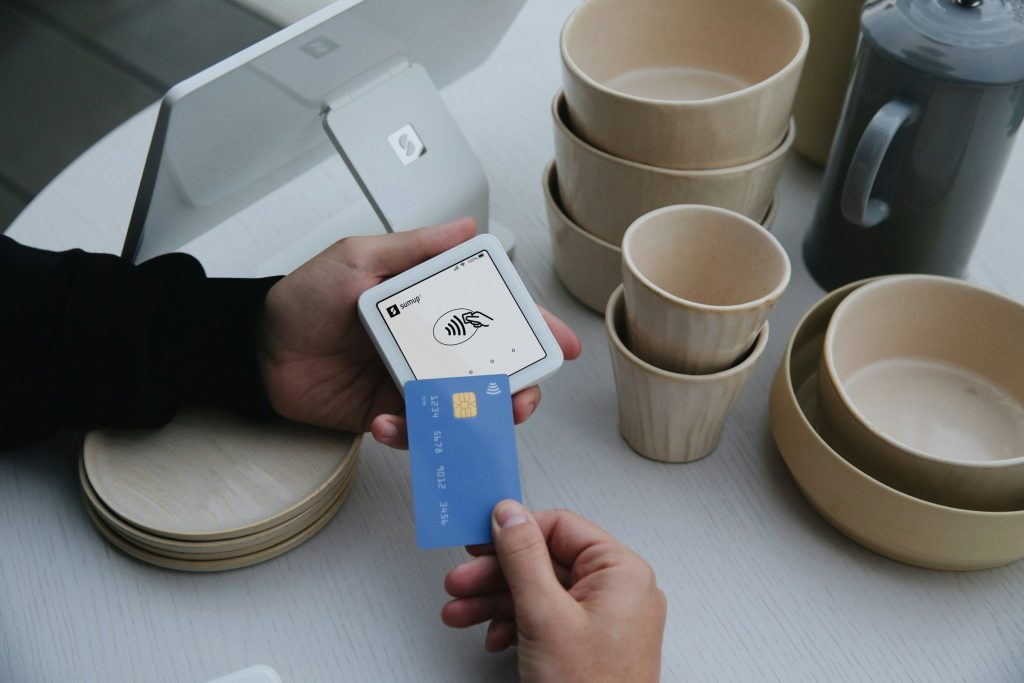
Another factor is payment culture. Card payments are now widely accepted, but cash is still very present, especially in cafés, bars, and smaller restaurants. Some places allow tipping on the terminal, others don’t, and many expect tips to be given verbally or in cash. For travellers used to automatic prompts on screens, this inconsistency can be confusing.
Finally, visitors bring their own habits. Some add a percentage automatically, others hesitate because they are unsure whether service is already included. In Berlin, neither approach is entirely right or wrong. Tipping is contextual and situational rather than rule-based.
The philosophy behind tipping in Berlin
At its core, tipping in Berlin is about appreciation, not obligation. Staff in restaurants, cafés, bars, and hotels are paid wages. Tips are not meant to replace income, but to acknowledge good service.
This means that paying exactly what is shown on the bill is acceptable. A tip is not expected for basic, efficient service. When people do tip, they usually keep it modest and proportional to the experience.
Good service may receive a small extra amount. Average service does not require it. Poor service is not rewarded. This approach removes pressure from tipping and keeps interactions straightforward and professional.
When tipping is not expected at all
There are many situations in Berlin where tipping is simply not part of the equation. Self-service is the clearest example. If you order at a counter, collect your own food, or grab something to go, tipping is optional and often skipped.
Minimal interaction also does not call for a tip. If someone brings a drink or a plate and nothing else happens, that is considered standard service, already paid for.
If the service is slow without explanation, dismissive, or uncomfortable, leaving no tip is socially acceptable. You are not expected to compensate for a bad experience.

Restaurants: the main tipping scenario
Restaurants are where most tipping questions come up, so it helps to understand the local logic clearly.
The first step is always to check the bill. In Berlin, service is often included, even if it is not explicitly stated. You may see phrases such as “Service included” or “Bedienung inbegriffen,” but many places simply include service without mentioning it.
In Berlin, the presence or absence of service on the bill changes very little in practice. When service is included, tipping is optional, and many locals simply round up the total or add a small extra amount if the experience feels pleasant. This is done as a gesture rather than a calculation.
When service is not included, the approach remains similar. People still avoid fixed percentages and focus on how the service felt overall. Rounding the bill or adding a modest amount for genuinely good service is common, while large tips are unusual. The decision is guided more by the interaction than by the numbers on the receipt.
What matters most is how the service felt, not the exact amount.
How locals usually leave tips in restaurants
In Berlin, tips are often given verbally. When paying by card or cash, customers may say the total amount they wish to pay, which includes the tip. This avoids leaving money on the table and feels direct and polite.
Leaving cash on the table is also common, especially when paying in cash. Both methods are accepted.
Cash is often easier, particularly in smaller places where card terminals do not support tipping options. For this reason, many locals still carry some cash even if they mostly pay by card.
Cafés and casual food spots
Cafés in Berlin range from full-service neighbourhood places to small coffee bars where everything happens at the counter. In counter-service cafés, tipping is optional and often skipped. This is especially true in busy areas, where customers order, pay, and leave within minutes. Many locals treat these places as functional stops rather than service experiences.
Some cafés place a small tip jar near the register. These jars are meant for loose change, not as a signal that a tip is expected. Dropping a coin is usually a spontaneous gesture rather than a response to service quality. According to local hospitality surveys, the majority of customers in counter-service cafés either leave nothing or round up only occasionally.
People are more likely to leave a small amount if they stay longer, return regularly, or receive particularly friendly interaction. For example, if a barista remembers your usual order, chats briefly without slowing things down, or accommodates a small request during a busy period, rounding up feels natural. Still, leaving nothing remains completely normal and socially accepted.
If you receive table service in a café, the logic moves closer to restaurant norms. Even then, tipping is modest. Locals typically round up the bill or leave a small extra amount rather than calculating percentages. The expectation is appreciation, not compensation.
Bars and pubs
Bars and pubs in Berlin follow a similarly relaxed pattern. At the bar counter, tipping is not expected. Ordering drinks, paying, and leaving without tipping is standard behaviour, especially in busy venues where turnover is high and interaction is minimal.
In places where customers order multiple times at the bar, some people choose to round up occasionally, especially after several drinks or at the end of the evening. This is more about convenience than obligation and often involves small amounts rather than a fixed percentage.
If you are served at a table, particularly over a longer period, leaving a small tip is polite but still optional. For example, if a server keeps track of orders smoothly during a crowded evening or checks in without being intrusive, rounding up at the end feels appropriate. If service is basic and efficient, paying the exact amount is equally acceptable.
Tip jars are common in bars and pubs, especially in casual or music-focused venues. They exist as an option rather than a signal. Many customers ignore them entirely, and bartenders do not interpret this as dissatisfaction. In Berlin, bartenders are paid hourly wages, and tips are seen as a bonus rather than a necessity.
Hotels and accommodation
Hotels follow a practical approach to tipping.
Helping with luggage is one of the clearer cases where tipping makes sense. If someone assists you with bags, especially without being asked, a small tip per action is appreciated.
Housekeeping tips are optional. Some guests leave a small amount at the end of their stay or every few days. Many do not tip at all. Both choices are normal.
Concierge services are tip-worthy only when the help goes beyond basics, such as securing difficult reservations or solving a problem. Routine questions do not require tips.
Front desk check-in and check-out do not call for tipping.

Taxis, rideshares, and transport
In taxis, rounding up is common. If the ride was smooth and the driver was polite, adding a small extra amount is appreciated. Paying the exact fare is also acceptable, especially for short or neutral rides.
Tipping is not expected for bad service. If a driver takes a long route without explanation or behaves unprofessionally, leaving no tip is normal.
With rideshare apps, tipping is optional and often skipped. Even when the app suggests it, locals do not feel pressured to add anything.
Tours, guides, and activities
Paid tours usually include the guide’s service in the price. Tipping depends on how engaging and helpful the guide was. If the tour meets expectations, many people do not leave anything extra.
Free walking tours work differently. Tips are effectively the guide’s main income, so leaving nothing feels out of place. The amount usually reflects how long the tour lasted and how valuable it felt, and it is typically higher than what you would leave in a restaurant.
Tips are usually given directly to the guide at the end of the tour.

Common mistakes travellers make in Berlin
One common mistake is tipping twice by adding money on top of a bill where service was already included.
Another is tipping too much out of habit. Berlin does not expect large percentages, and excessive tipping is unnecessary.
Giving tips in foreign currency is inconvenient for staff, even if accepted politely.
Many travellers also hesitate to ask whether service is included. Asking is normal and practical, and staff are used to it.
A calm way to approach tipping in Berlin
The easiest way to avoid awkward moments is to slow down and read the bill. If service is included, tipping is optional. If it is not, rounding up or adding a small amount is enough. At bar counters, tipping is usually skipped, while in hotels it makes sense only for personal help. Keeping some small cash on hand can make things easier, but it is never essential.
Final thoughts
Tipping culture in Berlin is relaxed, flexible, and low-pressure. It rewards good service without turning every interaction into a transaction. This approach reflects how everyday service works in the city, where prices are generally transparent and staff wages do not depend on tips.
In practice, this means that many locals tip occasionally rather than consistently. Surveys on consumer behaviour in Germany show that a significant share of customers either round up the bill or leave small tips, while a noticeable portion leaves nothing at all, especially in casual settings. Both behaviours are socially accepted and do not signal satisfaction or dissatisfaction on their own.
A typical example is a casual dinner in a neighbourhood restaurant. If the service is smooth and unremarkable, paying the exact amount feels complete. If the same meal comes with helpful recommendations, patience during a busy shift, or extra attention to detail, rounding up the bill or adding a small amount feels appropriate. In both cases, the interaction remains comfortable and unforced.
If you pay attention to context and trust your judgement, you will always fit in. No one will chase you or question your choice. And when you do leave a thoughtful tip after genuinely good service, it will be received quietly, as appreciation rather than expectation.