When Is the Best Time to Visit Vilnius
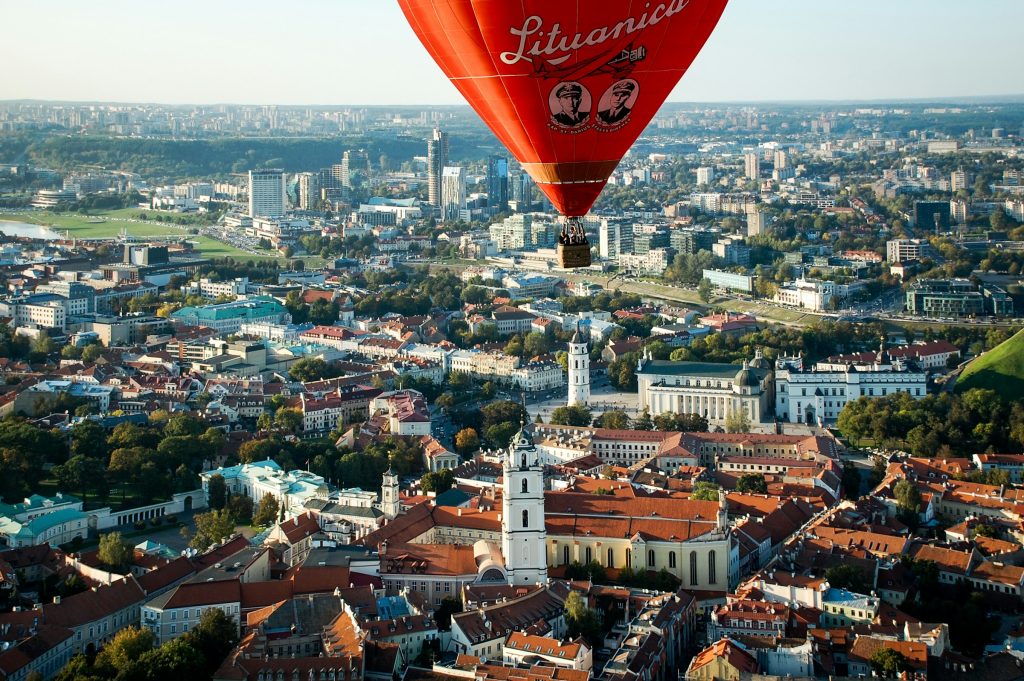
Vilnius is one of those European capitals where timing can completely change the feel of a trip. The city shifts dramatically across the year, from snowy winter streets and festive markets to sunlit terraces and leafy parks in summer. Choosing the best time to visit Vilnius is less about finding a single perfect month and more about understanding how weather, crowds, and seasonal rhythms shape the experience.
This article helps you choose the right dates based on what matters most to you. Some months bring lower prices and quieter streets, others offer long daylight hours and lively outdoor culture, while a few create a cosy atmosphere that feels distinctly Baltic. Whether you are planning a short city break or building Vilnius into a wider Baltic trip, knowing how the seasons affect comfort, costs, and energy makes it easier to plan a visit that feels relaxed rather than rushed.
Quick Cheat Sheet: When to Visit Vilnius
If you want a quick snapshot before diving into seasonal details, here is how different times of year compare.
Best overall time: May, June, and September
These months offer the most balanced experience, with mild weather, long daylight hours, and a lively but not overwhelming atmosphere.
Best weather: Late May to early July
This is when Vilnius feels most comfortable for walking, outdoor cafés, and day trips, with warm but rarely extreme temperatures.
Cheapest time: January, February, and early March
Winter brings lower demand and more affordable accommodation, especially outside major holiday periods.
Fewest crowds: Late autumn and deep winter
From November through February, the city feels noticeably calmer, with fewer tourists and easier access to museums and restaurants.
If you only have 2–3 days: Late spring or early autumn
These periods make it easy to explore the Old Town on foot, enjoy outdoor spaces, and still have the flexibility for short day trips beyond the city.
What Each Season Feels Like in Vilnius
Vilnius changes noticeably across the year, and each season gives the city a slightly different personality. Some months highlight cosy Old Town streets and quiet museums, while others bring long daylight hours, outdoor cafés, and greener landscapes. Looking at the seasons individually makes it easier to decide not just when to visit, but what kind of atmosphere you want from the trip.
Winter in Vilnius (December to February)
Weather
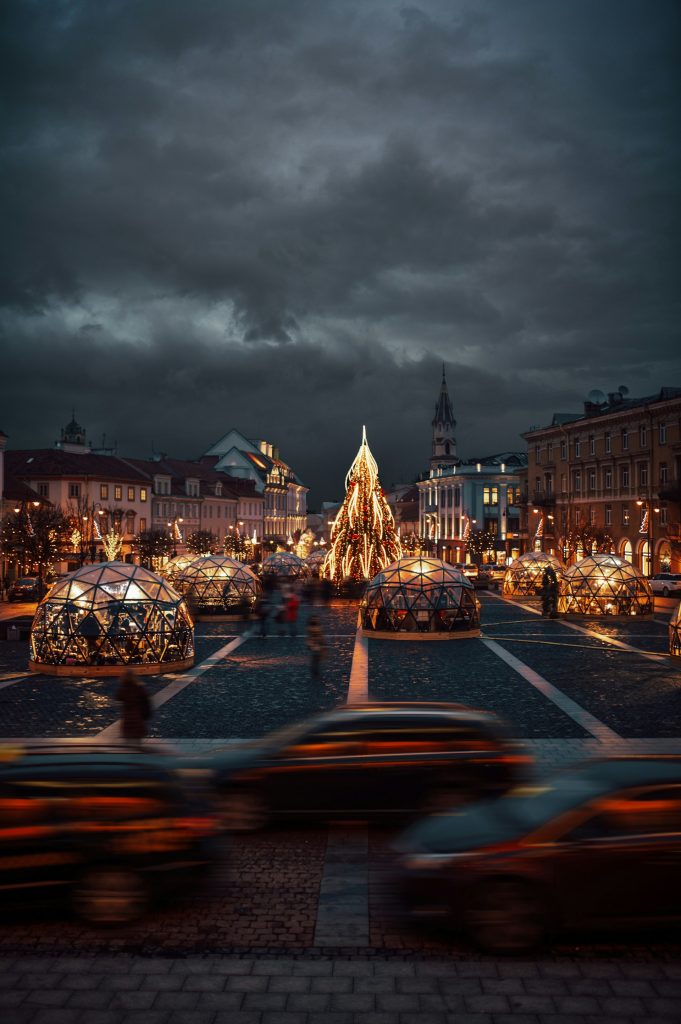
Winter in Vilnius is cold and distinctly Baltic. Temperatures often stay below freezing, especially in January and February, and snow is common. Daylight hours are short, which gives the city a darker, quieter mood, but the historic centre looks especially atmospheric under snow, with warm lights reflecting off cobbled streets.
Crowds and atmosphere
December is the exception to the quiet season, as Christmas markets and festive decorations draw visitors from across the region. Outside the holiday period, however, winter becomes noticeably calmer. January and February feel far more local, with fewer tourists in the Old Town and shorter waits at museums and cafés.
What it’s good for
Winter suits travellers who enjoy cosy, slow-paced city breaks. Christmas markets, seasonal lights, and candlelit cafés create a memorable atmosphere, while the lower demand makes it easier to find good accommodation deals. It is also a practical choice for those who prioritise budget and ambience over long days and warm weather.
Spring in Vilnius (March to May)
Weather
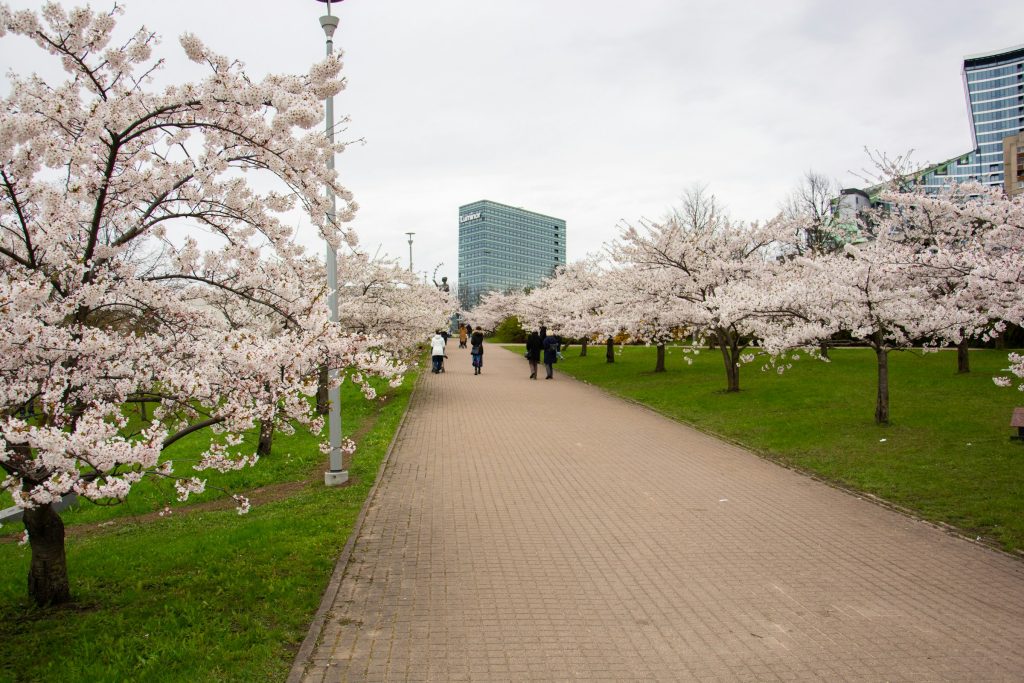
Spring in Vilnius arrives gradually rather than all at once. March can still feel cold and changeable, with occasional snow or chilly winds, but April brings longer days and more stable conditions. By May, temperatures turn comfortably mild, and the city begins to feel greener as parks and riverside paths come back to life.
Crowds and atmosphere
Tourism starts to return, but the city rarely feels crowded. Outdoor terraces reopen, locals spend more time outside, and the Old Town feels livelier without the density of peak summer. The overall rhythm becomes more open and social, while still remaining easy to navigate.
What it’s good for
Spring works well for travellers who want balance. It is ideal for exploring the Old Town on foot, walking between viewpoints, and enjoying green spaces like Bernardine Garden or the Neris riverfront. Late spring, in particular, suits first-time visitors who want comfortable weather without the higher prices and busier streets of summer.
Summer in Vilnius (June to August)
Weather
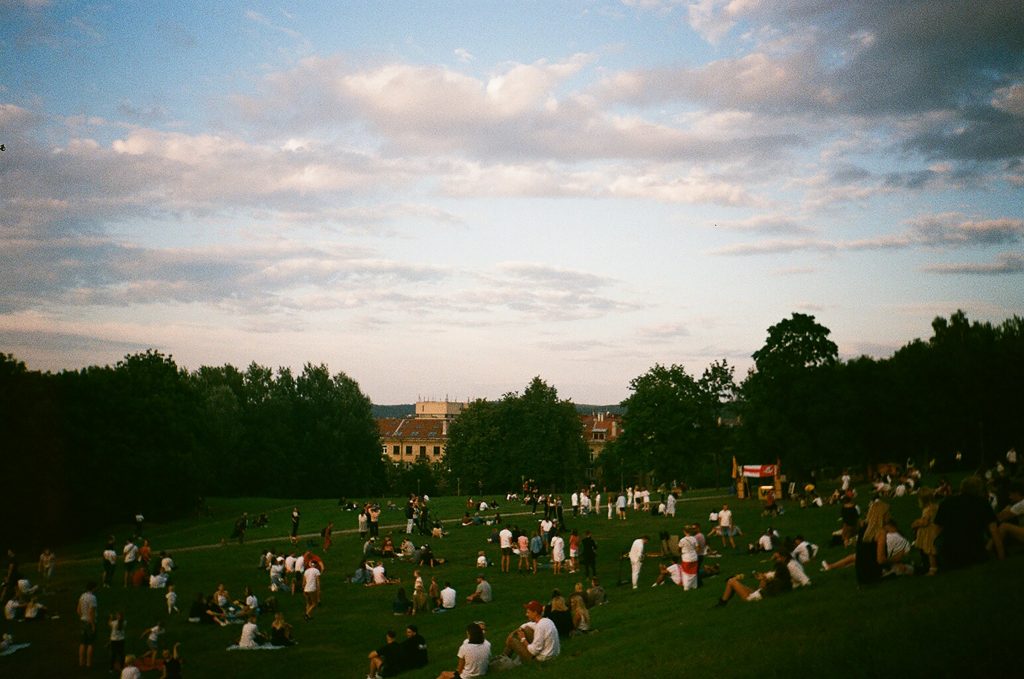
Summer brings the warmest and brightest months of the year. June and July are especially pleasant, with long daylight hours and mild evenings that make the city easy to explore well into the night. August can feel slightly warmer or more humid at times, but extreme heat is still uncommon compared to much of southern Europe.
Crowds and atmosphere
This is the liveliest season in Vilnius. Outdoor cafés, festivals, and public events shape the city’s rhythm, and the Old Town feels more international. While the city rarely feels overcrowded, central streets and popular viewpoints do become busier, especially on weekends and during summer events.
What it’s good for
Summer is ideal if you enjoy an outdoor travel style. Long evenings make it easy to explore slowly, dine outside, and move between neighbourhoods without rushing. It is also the best time for combining Vilnius with nature-focused day trips, whether that means lakes, castles, or nearby national parks.
Autumn in Vilnius (September to November)
Weather
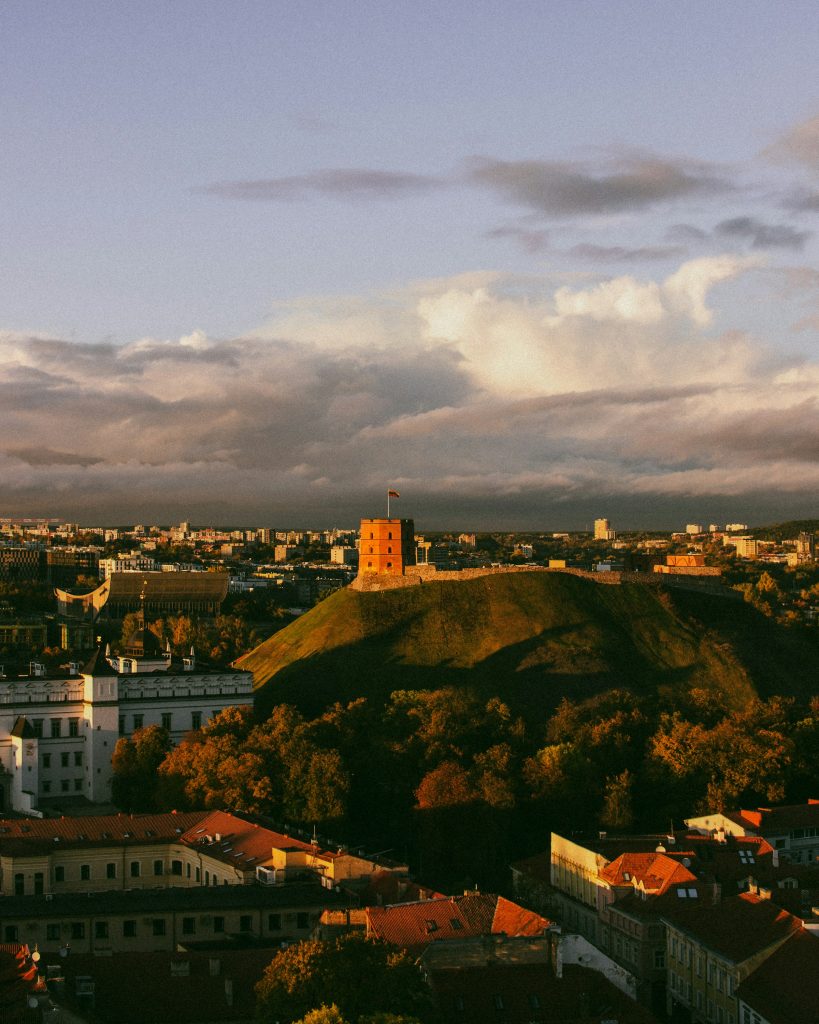
Autumn in Vilnius begins gently and then gradually cools. September often feels like a softer continuation of summer, with mild temperatures and comfortable walking conditions. October brings cooler air and colourful foliage across parks and hills, while November turns noticeably colder, with shorter days and more frequent grey skies.
Crowds and atmosphere
After the summer peak, the city quickly becomes calmer. Tourist numbers drop, and daily life feels more local again, especially from mid-autumn onward. Streets, cafés, and museums are easier to navigate, and the overall pace slows without becoming completely quiet.
What it’s good for
Autumn suits travellers who prefer a more relaxed rhythm. Early autumn offers ideal walking weather with fewer crowds, while later months are better for budget-conscious trips. The season is also especially appealing for photography, with golden foliage and softer light across the Old Town and surrounding viewpoints.
Crowds, Prices, and Booking Reality in Vilnius
When the city gets busiest
The peak tourist stretch in Vilnius usually runs from late spring through summer, with the highest visitor numbers between June and August. Warm weather, festivals, and long daylight hours draw both international travellers and regional visitors. The Old Town, viewpoints like Gediminas Hill, and popular terraces become noticeably busier, especially on weekends.
How seasonality affects prices
Accommodation prices tend to rise from May onward, with the sharpest increases in summer and during major events. Central stays in the Old Town or near Cathedral Square are usually the first to become expensive. Outside peak months, especially in winter and late autumn, rates drop and availability improves, making it easier to find better value stays.
Booking patterns to keep in mind
Vilnius is more flexible than many larger European capitals, but timing still matters. For late spring and summer visits, booking a few weeks in advance is usually enough for well-rated hotels or apartments. December can also require earlier planning because of Christmas markets. In quieter months, last-minute bookings are often possible without major compromises.
Helpful things to know before visiting
- Book Old Town accommodation early for summer weekends, as boutique hotels in historic buildings sell out quickly.
- If visiting in December, check Christmas market dates, as prices spike during the main festive weeks.
- Choose accommodation slightly outside the Old Town if you want better value but still walkable access.
- Skip renting a car unless planning multiple day trips, as parking in the historic centre is limited.
- Use trains or buses for places like Trakai, as connections are frequent and easy to navigate.
- In winter, prioritise centrally located stays to minimise long walks in freezing temperatures.
- Late spring and early autumn usually offer the best mix of availability and reasonable prices.
A Day in Vilnius, Season by Season
Even if you only have a day in Vilnius, the city adapts well to different seasons. Its compact layout makes it easy to build a full experience around walking, viewpoints, and cafés. The key difference is how the rhythm of the day shifts depending on weather and daylight.
Spring: Old Town walks and riverside breaks
Best months: April to May
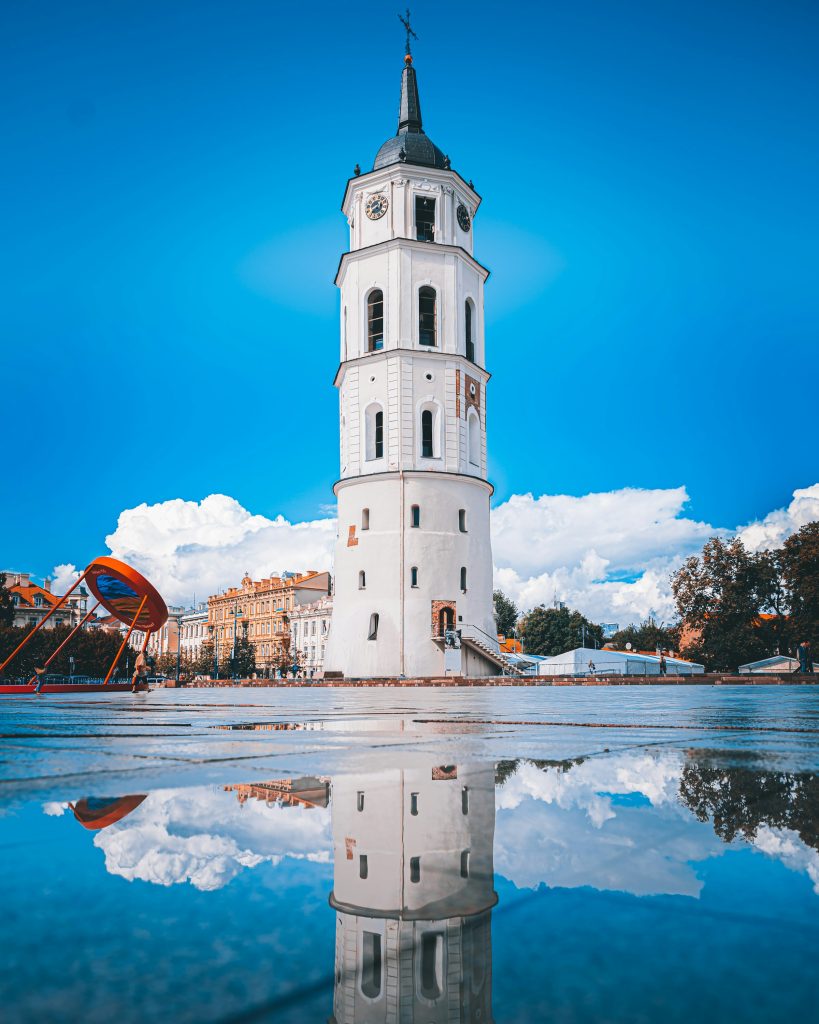
A spring day works well with a slow route through the Old Town, starting around Cathedral Square and moving toward Pilies Street and Užupis. As the weather softens, riverside paths along the Neris become more inviting, and parks like Bernardine Garden begin to feel lively again. It is an ideal season for walking without summer crowds.
Summer: Viewpoints and long evenings
Best months: June to July
Summer days in Vilnius are shaped by long daylight hours. A typical day can include Gediminas Hill in the morning, lunch in the Old Town, and a relaxed afternoon in Užupis or Bernardine Garden. Evenings stretch late, making it easy to add sunset viewpoints or outdoor dining without rushing the schedule.
Autumn: Culture and cosy cafés
Best months: September to October
Autumn suits slower exploration. Cooler air makes museum visits feel natural, so pairing indoor stops like the Palace of the Grand Dukes or MO Museum with café breaks works especially well. Walks through tree-lined streets and viewpoints overlooking the Old Town feel more atmospheric as foliage turns golden.
Winter: Historic core and festive atmosphere
Best months: December to February
In winter, the best one-day plans stay compact. Focus on the Old Town, where landmarks, cafés, and museums sit close together. December brings Christmas markets and lights around Cathedral Square, while deeper winter encourages a slower rhythm built around warm cafés and short scenic walks between indoor stops.
Choosing the Right Time for Vilnius
The best time to visit Vilnius depends less on a single perfect month and more on the kind of atmosphere you want from the city. Late spring and early autumn offer the easiest balance, with mild weather, manageable crowds, and a relaxed pace that suits both first-time visitors and return trips. These months make it simple to explore the Old Town on foot while still enjoying parks, viewpoints, and outdoor cafés.
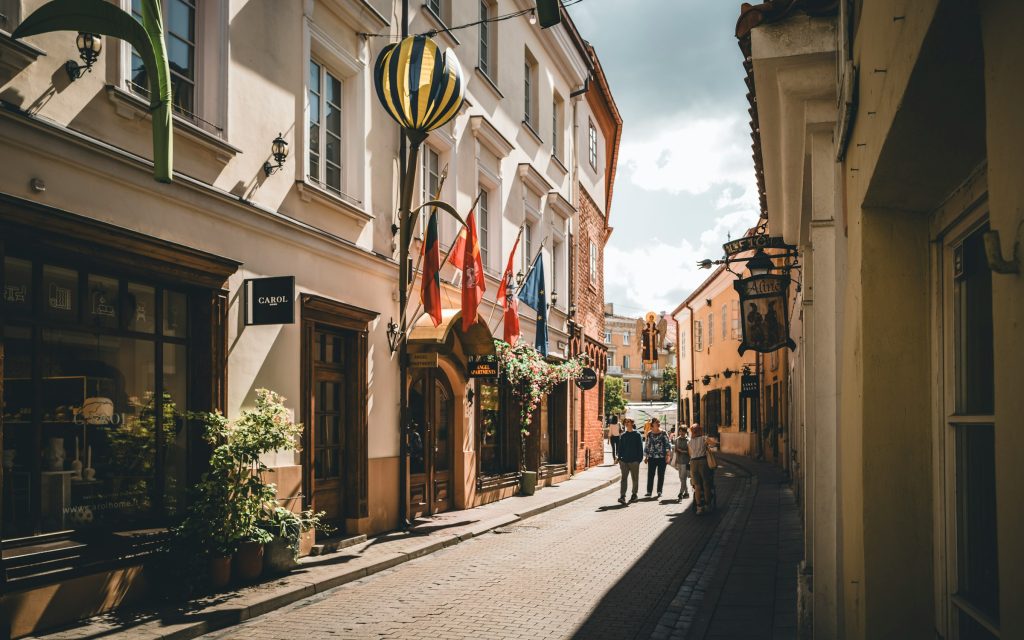
Summer brings the longest days and the most vibrant energy, making it ideal if you enjoy festivals, terraces, and extended evenings. Winter, on the other hand, reveals a quieter and more atmospheric side of Vilnius, especially around the festive season, when lights and markets add a distinctly Baltic charm. Even the colder months can feel rewarding if you prefer slower travel and lower prices.
Once you decide what kind of rhythm you want from the trip, choosing travel dates becomes much easier. Vilnius is compact, adaptable, and seasonally expressive, which means every part of the year offers a slightly different version of the city to discover.