New Orleans Packing List

New Orleans has a climate that feels very different from many other U.S. cities. High humidity, sudden rain showers, and long warm evenings shape how visitors experience the city throughout the year. Walking through neighborhoods such as the French Quarter, Garden District, and along the Mississippi River often means spending hours outdoors, so clothing that handles heat, moisture, and changing indoor temperatures becomes especially important.
The city also encourages slow exploration on foot. Streets filled with historic architecture, live music venues, and small cafés make it easy to spend entire days moving between districts. Because plans often combine sightseeing, restaurants, and indoor attractions with strong air conditioning, travelers quickly notice that comfort and flexibility matter more than packing many separate outfits.
This New Orleans packing list is organized by season and includes a short cheat sheet for three to four day trips. It also explains what to pack for New Orleans depending on the weather, typical walking days, and the mix of indoor and outdoor experiences that define the city.
Quick New Orleans Packing Cheat Sheet
If your visit lasts only a few days, packing can stay simple as long as you prepare for New Orleans’ humid climate, frequent rain showers, and the city’s walkable historic districts. Visitors often spend hours exploring areas such as the French Quarter, the Mississippi Riverfront, and the Garden District, where sightseeing usually means long stretches outdoors. Because of this, light clothing that handles humidity and comfortable footwear tend to matter more than bringing multiple outfits.
For a typical three to four day trip, a practical packing list for New Orleans often includes:
- breathable walking shoes suitable for uneven sidewalks in historic areas
- lightweight T shirts or tops that stay comfortable in humid weather
- thin long sleeve layer for strong indoor air conditioning
- light overshirt or sweater for cooler evening walks
- compact rain jacket or small umbrella for sudden rain showers
- sunglasses for bright afternoons along the riverfront
- portable power bank for navigation, maps, and photos
- small backpack or crossbody bag for daily exploring
- reusable water bottle to stay hydrated in warm, humid conditions
- lightweight hat or cap for sun protection during daytime walks
One local detail many travelers notice is how quickly rain can appear during warmer months. Short afternoon storms are common in New Orleans, especially from late spring through early fall, which is why a small rain layer or compact umbrella can be useful even when the day begins with clear skies.
Another factor that surprises visitors is the contrast between outdoor heat and indoor temperatures. Restaurants, museums, and music venues across the city often use strong air conditioning, so carrying a thin extra layer in your day bag can make indoor stops much more comfortable after spending time outside in the humidity.
New Orleans Weather and How to Dress
New Orleans has a humid subtropical climate that shapes how visitors experience the city throughout the year. Warm temperatures, high humidity, and frequent rain showers are common, especially from late spring through early autumn. Even when forecasts look calm, the air often feels heavier because moisture levels remain high, which can make warm days feel hotter than expected.
Rain is another regular part of the city’s weather pattern. Short but intense showers can appear suddenly, particularly during the warmer months when afternoon storms develop quickly. These bursts of rain usually pass fast, but they can catch visitors by surprise if they are walking through open areas such as Jackson Square, the riverfront, or the wide streets of the Garden District.

Humidity also plays a major role in how clothing feels during the day. Lightweight fabrics that allow airflow tend to be much more comfortable than heavier materials. Because visitors often move between outdoor sightseeing and indoor spaces such as restaurants, museums, and music venues, flexible layers become useful for adjusting to temperature changes throughout the day.
Another factor travelers quickly notice is the difference between outdoor heat and indoor environments. Many cafés, hotels, and attractions use strong air conditioning, which can make interiors feel much cooler than the streets outside. Wearing breathable layers that can be added or removed easily helps maintain comfort when moving between humid outdoor conditions and cooler indoor spaces.
Packing List by Season
Spring Packing List
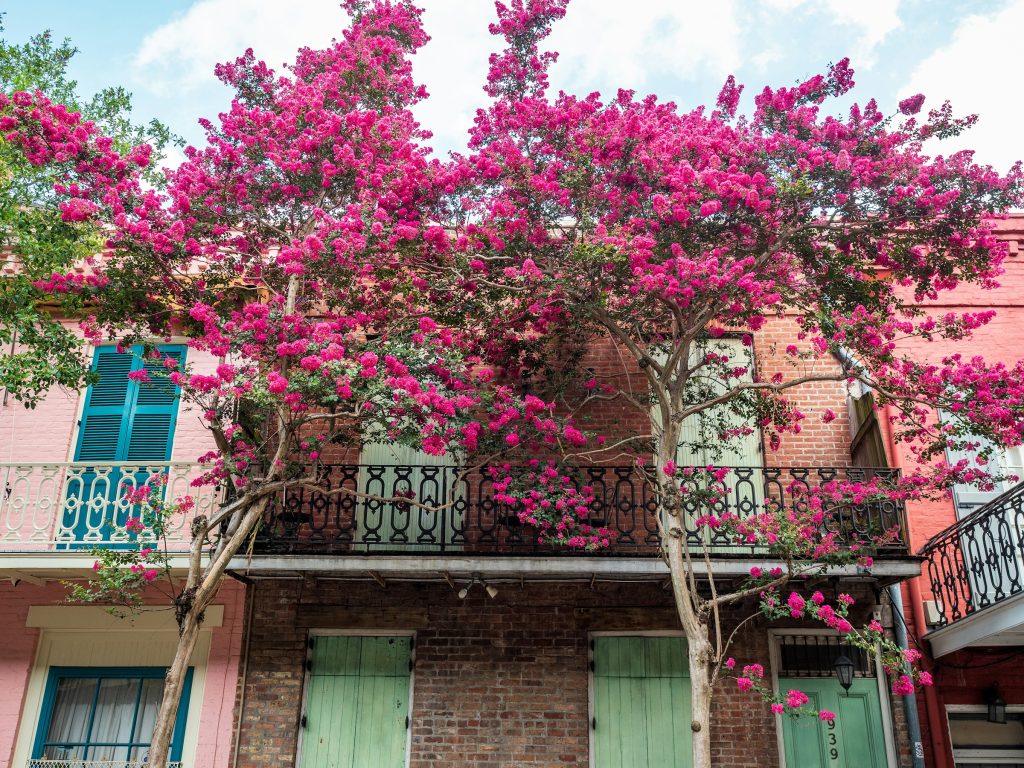
Spring in New Orleans usually runs from March through May and is one of the most comfortable seasons to explore the city. Temperatures gradually warm, but humidity begins to increase as the season progresses. Rain showers are fairly common, and outdoor festivals and street events become frequent across areas such as the French Quarter and the Fair Grounds during Jazz Fest season.
Clothing
- lightweight T shirts or breathable tops
- long sleeve shirts for light layering
- light sweater or casual pullover
- breathable button up shirts for evenings
- casual dress or relaxed shirt for restaurants and music venues
- lightweight walking pants or jeans
- comfortable shorts for warmer afternoons
- breathable sleepwear
- light cardigan or overshirt for indoor air conditioning
Footwear
- supportive walking sneakers
- breathable casual shoes for long sightseeing days
- lightweight sandals for warm afternoons
Accessories
- compact umbrella for sudden rain showers
- sunglasses for bright spring days
- small day backpack for exploring neighborhoods
- portable phone charger for navigation and photos
- reusable water bottle for humid afternoons
- lightweight hat or cap for sun protection
Summer Packing List
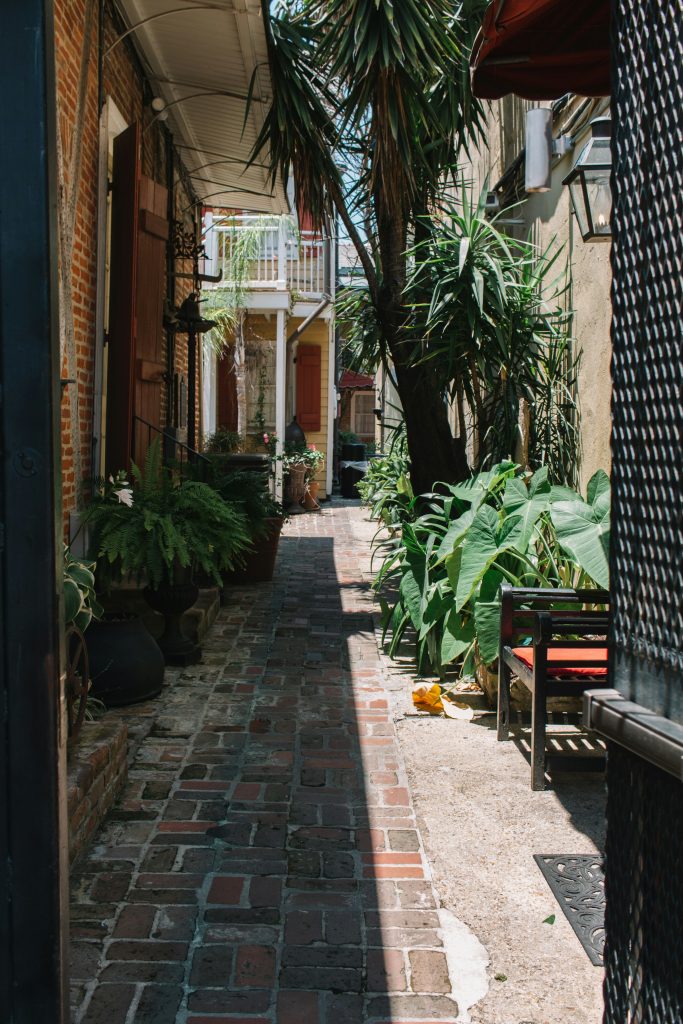
Summer in New Orleans typically lasts from June through September and is known for intense heat and very high humidity. Daytime temperatures often rise above 30°C (86°F), and afternoon thunderstorms are common. Because sightseeing usually involves walking between historic streets, shaded courtyards, and riverfront areas, breathable clothing becomes especially important.
Clothing
- lightweight breathable T shirts or tank tops
- loose cotton or linen shirts
- comfortable shorts for hot days
- breathable summer dress or relaxed shirt for evenings
- lightweight long sleeve shirt for sun protection
- thin overshirt for strong indoor air conditioning
- light sleepwear suited to warm nights
- extra socks for humid walking days
Footwear
- breathable walking sneakers
- lightweight sandals with good support
- casual slip on shoes for evenings
Accessories
- sunglasses for bright midday sun
- sunscreen for long outdoor walks
- lightweight hat or cap
- compact umbrella for sudden storms
- reusable water bottle to stay hydrated
- portable phone charger
- small backpack for daily exploring
Fall Packing List
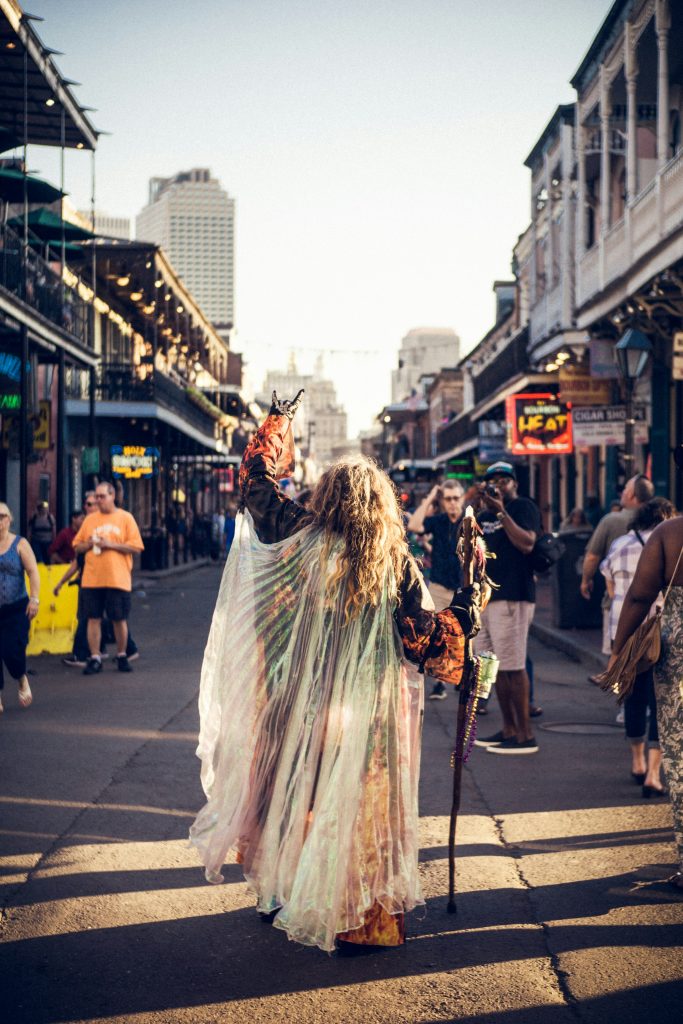
Autumn in New Orleans usually stretches from October through November. Temperatures gradually cool compared with summer, and humidity becomes more comfortable, although warm afternoons remain common. The season is popular for walking tours, riverfront walks, and exploring historic neighborhoods.
Clothing
- breathable T shirts or tops
- long sleeve shirts for layering
- lightweight sweater for cooler evenings
- casual button up shirts for restaurants or music venues
- comfortable walking pants or jeans
- light jacket for late autumn evenings
- breathable base layers for changing temperatures
- comfortable everyday socks
Footwear
- supportive walking sneakers
- breathable casual shoes
- lightweight ankle boots for cooler evenings
Accessories
- compact umbrella for occasional rain
- sunglasses for bright fall afternoons
- small backpack for sightseeing
- reusable water bottle
- portable phone charger
- light scarf for breezy evenings
Winter Packing List
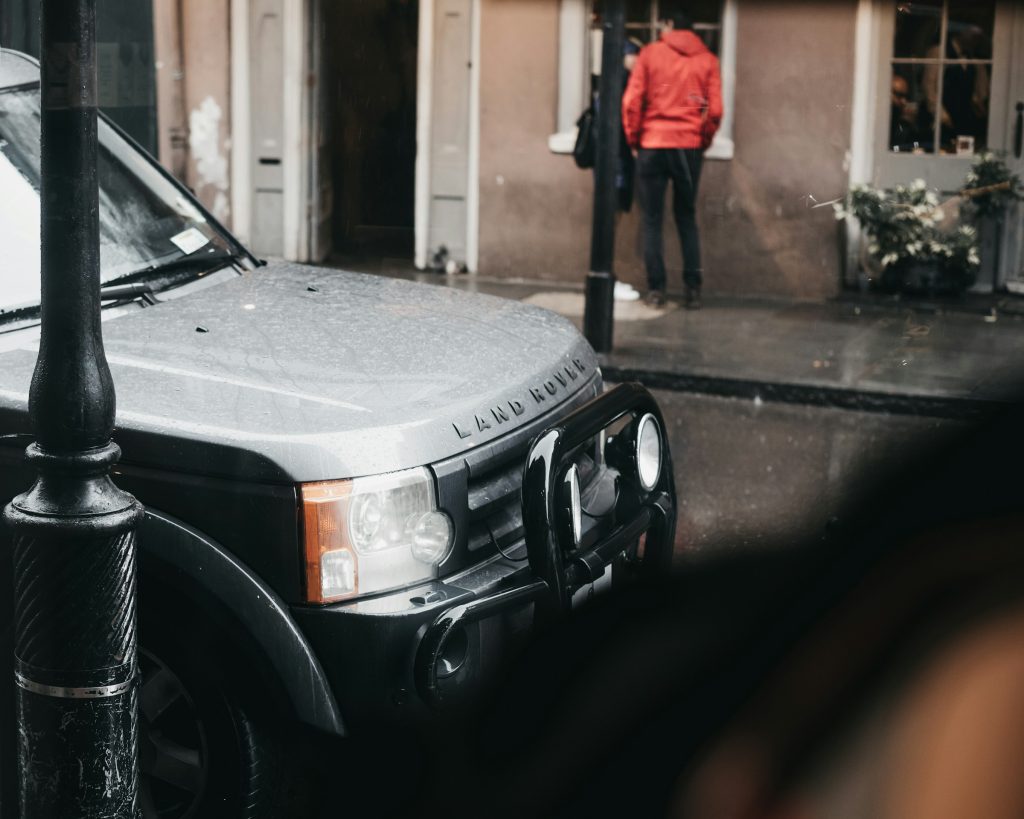
Winter in New Orleans runs from December through February and is generally mild compared with many other U.S. cities. Temperatures are cooler but rarely very cold, which allows visitors to continue exploring the city comfortably on foot. Occasional rain and cooler evenings mean that layering remains useful during this season.
Clothing
- long sleeve shirts for layering
- lightweight sweater or knit pullover
- casual hoodie or fleece layer
- light jacket or medium weight coat
- comfortable jeans or walking pants
- breathable base layers for cooler mornings
- comfortable everyday socks
- casual shirt or top for indoor venues
Footwear
- comfortable walking sneakers
- water resistant shoes for rainy days
- casual boots for cooler evenings
Accessories
- compact umbrella for winter rain
- light scarf for cooler evenings
- sunglasses for clear days
- small backpack for daily exploring
- portable phone charger
- reusable water bottle
What to Pack by Trip Type
Even with a clear seasonal list, the exact items travelers bring can change depending on how they plan to experience the city. Some visitors focus on short cultural visits and restaurants, while others spend long days walking through historic neighborhoods or attending music events and festivals. When thinking about packing for New Orleans, small adjustments based on your travel style can make daily plans far more comfortable.
Weekend City Break
Short trips to New Orleans often focus on the French Quarter, the riverfront, and nearby streets filled with music venues, cafés, and historic buildings. Evenings usually include restaurants or live music, so it helps to bring a few items suited for relaxed nightlife and crowded historic streets.
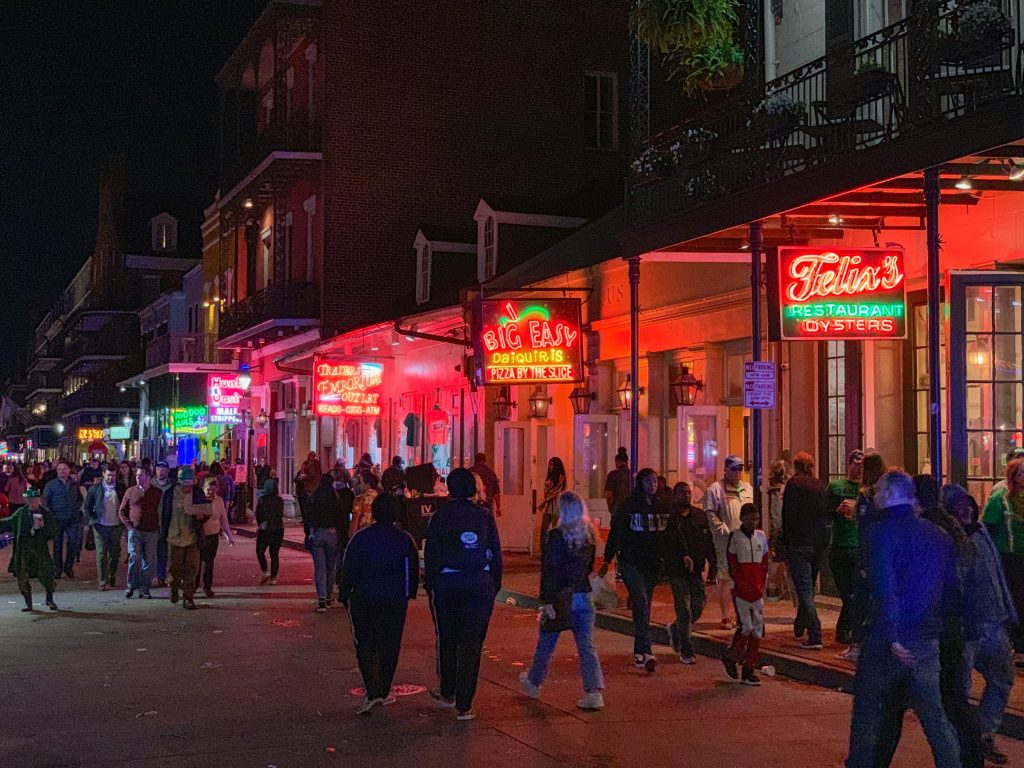
For a weekend city break, travelers often add:
- compact crossbody bag that closes securely in busy areas
- foldable tote bag for markets or small souvenirs
- lightweight evening outfit suitable for restaurants or jazz clubs
- small travel laundry bag for separating worn clothing
- compact travel-size toiletries for short stays
- light scarf or shawl for cooler indoor venues
Business Trip
New Orleans regularly hosts conferences and professional events, especially around the Ernest N. Morial Convention Center and nearby hotels. Business travel in the city often involves walking between hotels, meeting venues, and restaurants.
For a business trip, useful additions often include:
- structured blazer or polished outer layer
- wrinkle resistant shirt or blouse
- compact garment bag to keep formal clothing neat
- laptop sleeve or professional backpack
- travel sized clothing steamer or wrinkle release spray
- notebook or slim document folder for meetings
Walking Heavy Itinerary
Many visitors explore New Orleans mainly on foot, especially in areas such as the French Quarter, Jackson Square, and the Garden District. Historic streets often include uneven pavement and longer walking routes between attractions.
Travelers planning walking focused days often bring:
- blister prevention patches
- an extra pair of walking socks
- breathable day backpack with good shoulder support
- anti chafing balm for humid weather walking
- lightweight foldable shopping bag for spontaneous purchases
- small cooling towel for hot, humid days
With Kids
New Orleans can also be enjoyable for families, with attractions such as the Audubon Aquarium, City Park, and streetcar rides along St. Charles Avenue. Traveling with children often means balancing outdoor exploration with indoor attractions and rest breaks.
Families visiting with kids often pack:
- wet wipes and tissues for quick cleanups
- travel snack containers or small snacks
- extra lightweight clothing layer for cooler indoor spaces
- small entertainment items for waiting times or transport
- compact changing mat or travel organizer for kids supplies
- lightweight stroller sun cover for bright afternoons
Things People Often Forget
Many travelers try to solve packing for new orleans by adding more items to their suitcase, but a better approach is planning outfits before the trip. When clothing pieces work together in several combinations, it becomes easier to create multiple outfits without carrying unnecessary weight, which is especially helpful in a city where walking between neighborhoods is common.
Another useful habit is organizing clothing by layers rather than by type. Packing cubes or simple fabric organizers allow travelers to separate lightweight layers, evening outfits, and everyday clothing. This makes it much easier to adjust during the day when moving between humid outdoor streets and heavily air conditioned indoor spaces.
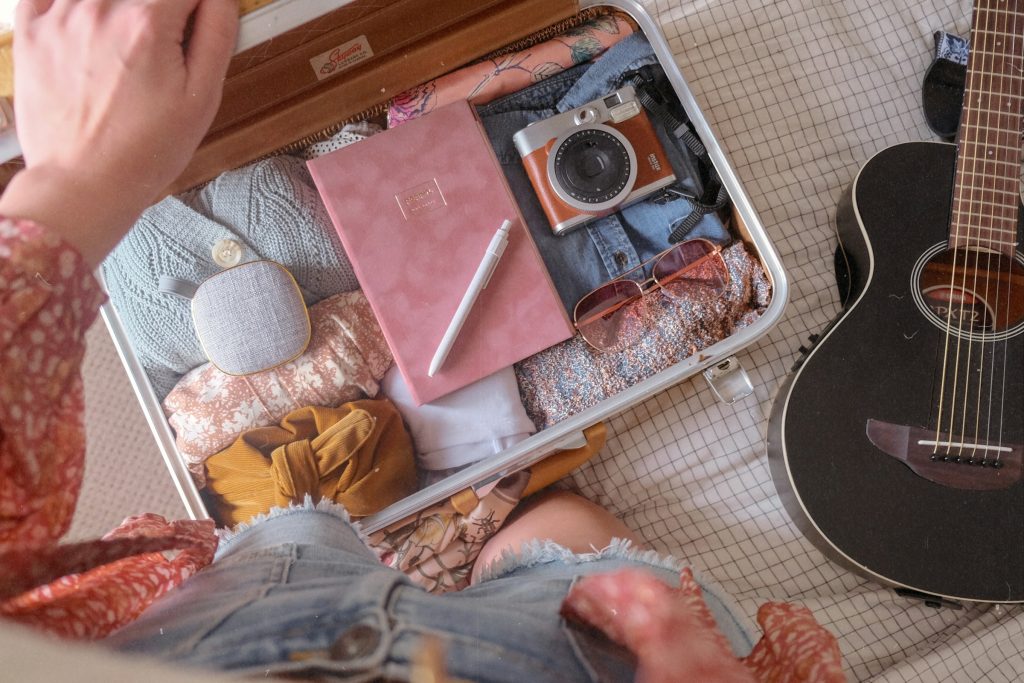
Protecting electronics is another step many people forget. Sudden rain showers and high humidity are common in New Orleans, so storing phones, cameras, and cables in small protective sleeves or waterproof pouches can prevent moisture damage while exploring the city.
Finally, keeping frequently used items near the top of your bag can save time during busy sightseeing days. When things like rain protection, a light layer, or daily essentials are easy to reach, it becomes much simpler to adapt quickly when weather or plans change.
Getting Your New Orleans Packing Right
New Orleans is a city where weather, humidity, and daily walking routes shape how comfortable your trip feels. Streets in areas like the French Quarter and the Garden District encourage slow exploration, and visitors often spend long hours outside moving between historic sites, music venues, cafés, and riverfront viewpoints. Because of this, practical clothing and comfortable footwear usually matter far more than bringing many different outfits.
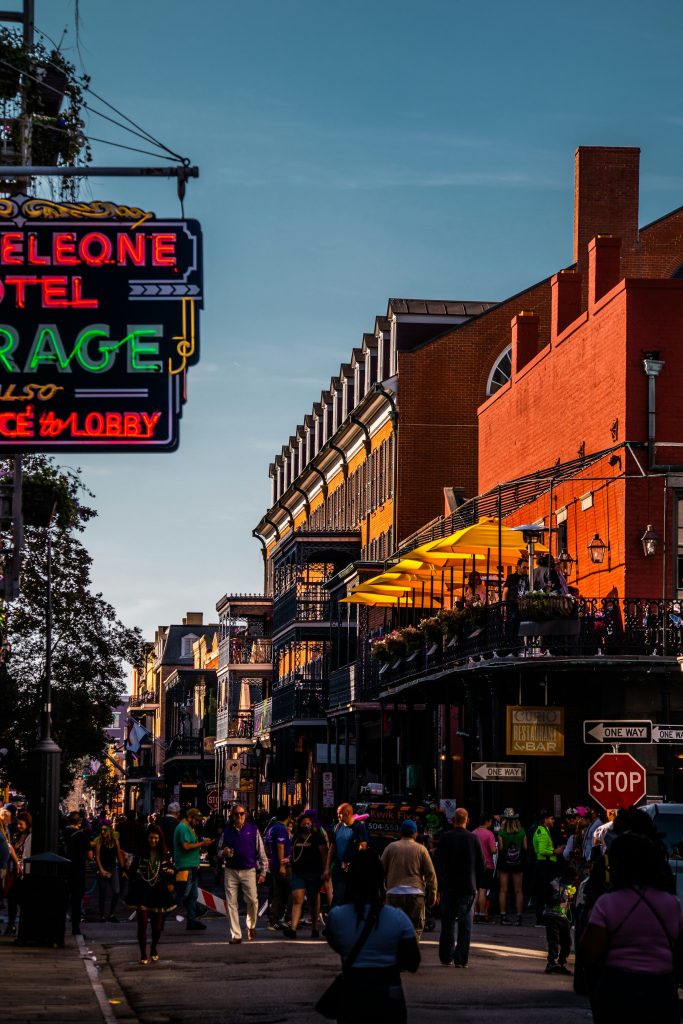
If you are visiting for the first time, the easiest strategy is to focus on breathable layers and shoes that support long walks. Humid air, sudden rain showers, and strong indoor air conditioning mean that flexible clothing works better than relying on one type of outfit. With the right balance of lightweight fabrics, rain protection, and comfortable footwear, it becomes much easier to enjoy the city without constantly adjusting your plans around the weather.
A thoughtful approach to packing also makes daily exploring more relaxed. Whether you are walking through historic streets, listening to live music in the evening, or spending time along the Mississippi River, having adaptable clothing and a few practical accessories helps you stay comfortable throughout the day.